
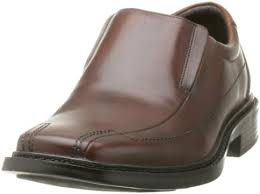
Caring for Bostonian shoes starts with a few simple habits: remove dirt after wearing, keep leather properly conditioned, and allow shoes to dry naturally. Whether you own classic dress oxfords, casual loafers, or leather boots, regular maintenance can help preserve their appearance and make them more comfortable to wear. The right care also depends on the materials and construction of your particular pair.
Bostonian shoes have a long history dating back to 1899, when the Commonwealth Shoe and Leather Company launched the brand in Whitman, Massachusetts. Clarks has owned Bostonian since 1979, and current styles include traditional dress shoes and more casual footwear. Since Bostonian shoes are available mainly through online retailers such as Amazon, checking the product description for material and care information is important when purchasing or maintaining a pair.
Know Your Bostonian Shoe Material Before Cleaning
Not every Bostonian shoe requires the same cleaning products. Smooth leather, suede, synthetic materials, and mixed-material designs have different maintenance needs. Before applying polish, conditioner, or cleaning solutions, check the shoe’s material label or product description.
Caring for Bostonian Shoes With a Regular Cleaning Routine
Daily cleaning does not need to be complicated. Removing surface dirt before it builds up makes deeper cleaning easier and helps prevent grit from scratching the leather.
- Remove loose dirt: Brush the upper, seams, and welt gently with a soft shoe brush.
- Wipe the surface: Use a slightly damp, clean cloth to remove light marks from smooth leather.
- Clean the sole: Remove dirt from the outsole with a separate brush or cloth, avoiding unnecessary moisture around the upper.
Polishing and Conditioning Leather Bostonian Shoes
Polishing helps maintain the appearance of smooth leather and can cover minor surface scuffs. Choose a cream or wax polish that closely matches the shoe color. Neutral polish is another option when an exact color match is difficult, although it may not restore lost color.
Protect Bostonian Shoes From Water and Moisture
Leather shoes can tolerate occasional light exposure to moisture, but they are not necessarily waterproof. Rain, puddles, and prolonged wet conditions can leave stains, cause stiffness, or damage certain finishes. If you regularly wear Bostonian shoes outdoors, consider a suitable protective spray after checking that it is compatible with the material.
- Remove excess water with a clean, absorbent cloth.
- Take out removable insoles and laces if practical.
- Insert plain paper or cedar shoe trees to help absorb moisture and maintain shape.
Store Your Bostonian Shoes Properly
Good storage protects footwear between wears. Cedar shoe trees are particularly useful for leather dress shoes because they help maintain shape, reduce creasing, and absorb some moisture. Choose shoe trees that fit comfortably without stretching the shoe excessively.
Adjust Care to Your Bostonian Shoe Style
Different Bostonian styles benefit from slightly different maintenance routines. For example, the Yorkton Wing Oxford, Wenham Cap Oxford, and Dezmin Plain Oxford are dress-oriented options that benefit from regular brushing and occasional polishing. You can explore more styles in our overview of Bostonian oxford shoes.
Boots such as the No16 Soft Boot and Wakeman Top Chukka may encounter more dirt and moisture during outdoor wear. Clean them after exposure to mud and check the material before choosing a conditioner or protective spray. See our article about Bostonian boots for more information about these styles.
Loafers, including the Capi Slip-On Loafer and Grafton Driver Loafer, also need regular cleaning. Pay attention to the upper, seams, and areas that contact the foot. For additional style information, visit our page on Bostonian loafers.
Common Shoe Care Mistakes to Avoid
- Using household cleaners, bleach, or harsh detergents on leather.
- Applying polish or conditioner without checking material compatibility.
- Leaving wet shoes near radiators or other direct heat sources.
- Storing shoes while they are still damp.
- Using excessive polish or conditioner that can build up on the surface.
- Ignoring worn heels, loose stitching, or damaged soles until the problem becomes worse.
Frequently Asked Questions
What not to use on leather shoes?
Avoid bleach, household detergents, abrasive scrubbers, and strong solvents because they can strip the finish or dry out leather. Do not use products intended for suede on smooth leather or ordinary leather polish on suede. Always choose products designed for your shoe material and test them on a hidden area first.
How often should you polish dress shoes?
Polish dress shoes when they begin to look dull, develop minor scuffs, or lose their color richness. For frequently worn shoes, this might mean polishing every few weeks, depending on use and exposure. Regular brushing and wiping between polishing sessions can help maintain their appearance without excessive product buildup.
Can you get Bostonian shoes wet?
Bostonian leather shoes can handle occasional light moisture, but this does not mean they are waterproof. Prolonged exposure to rain or puddles can stain, stiffen, or damage leather. If they get wet, wipe away excess water, use shoe trees or plain paper, and let them dry naturally away from direct heat.
Do shoe trees really help?
Yes, shoe trees can help leather shoes maintain their shape and reduce the appearance of deep creases. Cedar versions also absorb some moisture and help manage odors. Choose the correct size so they support the shoe without stretching its upper.